Napa Valley has a reputation for hundred-dollar tasting flights and resort weekends, but that’s only half the story. The other half is a Napa most visitors never find: a vineyard bike path with zero entry fee, a farmers market snack that turns into your favorite meal of the trip, an outdoor sculpture walk that eats up a whole afternoon for free. Napa Valley on a budget isn’t a compromise. It’s just a quieter, smarter version of the same trip.
Most people overspend here because nobody hands them a map to the alternatives. Tasting fees, restaurant markups, and curated experiences add up fast if you don’t know where to look. This guide covers the whole trip: when to go for the best prices, where to sleep and eat without the resort tax, how to get around without renting a car, and more than 25 free and cheap things to do while you’re here.
The 5-Step Napa Budget Game Plan
If you do nothing else, do these five things and you’ll save the most money, fastest.
- Go in the off-season or shoulder season. Winter and early spring bring the best lodging deals and the shortest lines.
- Taste strategically. One great winery plus one solid value tasting room beats four rushed, overpriced pours.
- Use discount programs. Downtown tasting cards, seasonal passports, and resident promos exist for a reason.
- Sleep just outside the priciest zones. Downtown Napa is convenient, but Vallejo, Fairfield, and American Canyon are usually cheaper.
- Build your day around free fun. Art walks, hikes, scenic drives, and markets are the valley’s best-kept secret.
Best Time to Visit Napa Valley on a Budget
Napa’s most expensive stretch is harvest season, roughly late July through October, when the valley is at its busiest and hotel rates climb along with it.
For better prices and calmer crowds, aim for late fall through early spring instead. Lodging deals are easier to find, reservations open up, and the whole valley slows down. If your trip lands in January or February, you’ll also catch mustard bloom season, when the vineyard rows turn gold with wildflowers, plus the Napa Lighted Art Festival (January 17 to February 15, 2026), a free, walkable outdoor light show through downtown that’s worth planning an evening around.
Start at the Napa Valley Welcome Center before you do anything else. The staff can point you toward current tasting deals and seasonal promos, and the center hosts complimentary tastings at set times on certain days — an easy way to get your first sip without paying a fee.
Free Outdoor Adventures in Napa Valley
Napa’s best bargain might be its scenery. You don’t need a reservation or a tasting fee to enjoy the same vineyard views everyone else is paying for.
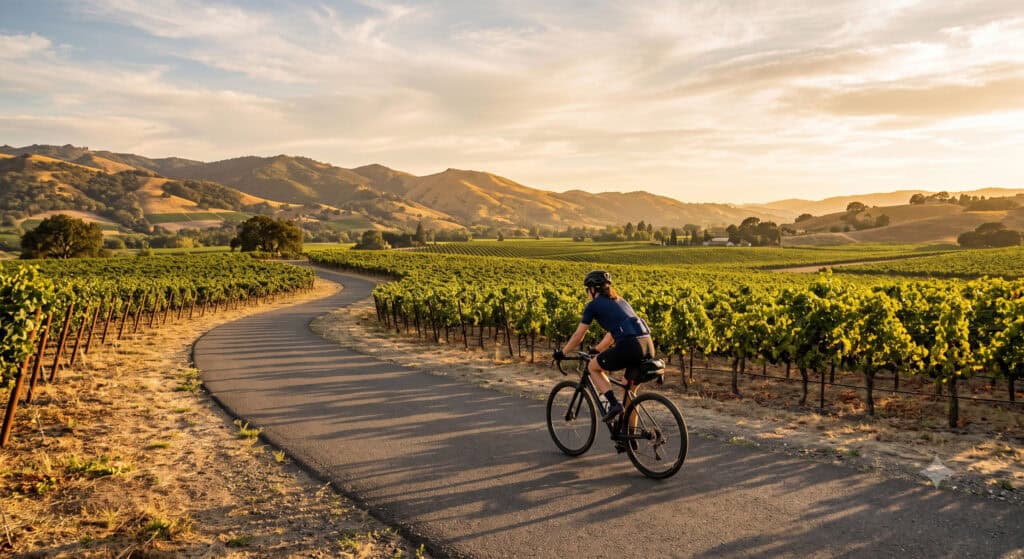
- Napa Valley Vine Trail. This paved multi-use path is designed to eventually stretch 47 miles from Vallejo to Calistoga, and long segments are already open for walking and biking. Bring a picnic, sunscreen, and water, and budget extra time for photo stops.
- Robert Louis Stevenson State Park. The Stevenson Memorial Trail climbs toward Mount St. Helena with big, rugged Northern California views. No entrance fee, but parking is limited and there are no restrooms at the trailhead.
- Alston Park. Rolling trails and open skies without committing your whole day — a local favorite for casual walkers and families.
- Westwood Hills Park. Oak groves, grassy meadows, and rewarding viewpoints that feel a world away from the tasting room circuit.
- Skyline Wilderness Park. A small day-use fee gets you longer trails, disc golf, picnic areas, and fishing at Lake Marie — still far cheaper than a single tasting.
- Riverfront Promenade. Downtown Napa’s riverside walkway is genuinely fun to wander for a slow window-shop, people-watch, and sunset stroll.
Free Art, Culture, and Local Events
Napa isn’t only wine country. It’s quietly one of the better spots in Northern California for free public art and walkable culture.
- Napa Art Walk. Downtown Napa doubles as an outdoor gallery thanks to a city-supported rotating sculpture program. No map needed, just start walking.
- Rail Arts District (RAD Napa). A free public mural and art route running along the Vine Trail corridor, great for walking or biking and always changing.
- Yountville Art Walk. Outdoor sculptures on an easy, self-guided route. Pair it with a pastry from Bouchon Bakery for a perfect budget afternoon.
- Hess Art Collection at Hess Persson Estates. Real, museum-caliber art with free access, no tasting required. Reservations are requested but not mandatory.
- CIA at Copia. Wander the Culinary Institute of America’s art collections and grounds without booking an expensive class.
- Napa Farmers Market. The single best “live like a local” move in the valley. The market runs Saturdays year-round and Tuesdays seasonally from April through December, 8 a.m. to noon. Even if you don’t shop, grab a pastry and call it breakfast, or build a picnic lunch to take to one of the valley’s wineries where you can picnic.
- Downtown Napa First Thursdays and free outdoor concerts. Seasonal community events with music and food vendors. Check local visitor calendars before your trip and stack a free evening into an otherwise expensive day.
Budget-Friendly Wine Tastings and Discount Programs
Completely free tastings are rare in Napa now, but genuinely good-value pours under fifty dollars are not, especially if you plan intentionally instead of walking into whatever looks nice on Highway 29. For a deeper dive into current pricing at specific wineries, see our full guide to affordable Napa wine tasting.
- Sutter Home Winery. Approachable walk-in flights at a lower price point than most estate experiences.
- Beringer Vineyards. One of Napa’s most iconic names, with tastings including a self-guided outdoor option.
- Napa Cellars in Oakville. Moderate pricing, and the winery actively encourages you to bring a picnic onto the grounds.
- Madonna Estate Winery. Known for approachable fees and a straightforward waived-with-purchase policy.
- Buehler Vineyards. Weekday appointments at a modest price compared to most Napa standards.
- Vincent Arroyo Family Winery in Calistoga. A relaxed, down-to-earth stop for classic reds without the luxury showroom feel.
- Napa Valley Distillery. A fun, often more affordable change of pace from wine, especially at the Oxbow Public Market location.
Stack a discount program on top of those picks. California residents can watch for Napa Neighbors promos, which sometimes include two-for-one tastings. Winter visitors tasting around Calistoga can look into the Winter-in-the-Wineries passport, and the long-running Taste Napa Downtown wine tasting card covers discounted pours at multiple walkable tasting rooms. If you’re only doing one tasting, skip the card and put that money toward a single good winery instead. Either way, book ahead — same-day walk-ins are getting harder to find.
Where to Stay Without Paying Resort Prices
Campgrounds are the maximum-savings option, and Napa has real ones worth considering: Bothe-Napa Valley State Park (including yurts), Skyline Wilderness Park, Calistoga RV Park and Campground, and the Napa Valley Expo RV Park. If camping isn’t your style, look at where to stay in Napa Valley just outside the priciest corridor, in towns like American Canyon, Vallejo, or Fairfield, then drive or bus in for the day.
Vacation rentals can also work, but decide your home base first, read every review for noise and parking complaints, and confirm parking before you book. Off-season hotel specials sometimes beat rental pricing outright, so it’s worth comparing both before you commit.
Eating and Getting Around for Less
Eat well for less
Napa has plenty of splurge dining, and just as many delicious budget bites if you know where to point the car. Oxbow Public Market is the easiest one-stop option, with enough variety to graze your way through lunch. The Model Bakery is a go-to for grab-and-go breakfast, and it’s worth checking our roundup of Napa Valley bakeries if pastries are a trip priority for you. Gott’s Roadside covers classic burgers and shakes, Bounty Hunter downtown does barbecue comfort food, and Addendum in Yountville is the most accessible way to try Thomas Keller’s cooking in a casual, picnic-style format. Eat a real breakfast before tastings, and bring a small cooler for snacks and water between stops.
Get around without a rental car
You don’t need a rental car for every part of this trip. Vine Transit’s Route 29 connects Napa with the El Cerrito del Norte BART station, and Route 11 connects with the Vallejo Ferry Terminal for anyone coming up from San Francisco. Full route details, plus more tips on getting around Napa Valley without a car at all, are worth checking before you land. Once you’re in town, Yountville runs a free, on-demand shuttle (the Bee Line) that gets you around without parking stress — genuinely one of the better free perks in the whole valley. If you do rent a car, base your tasting day in downtown Napa so you can park once and walk everywhere.
Napa Valley on a Budget with Kids
Traveling with family? Napa has more free options than most people expect, as long as you skip the tasting-room circuit. Playground Fantastico is a big, imaginative playground that’s exactly the break kids need from grown-up tasting culture. Fuller Park sits right in downtown Napa for an easy picnic or a place to let kids run. Alston Park and Westwood Hills Park both work as low-key family hikes without anything too strenuous. The Napa Valley Museum in Yountville hosts free family fun activities on the second Saturday of each month — a nice bonus if your dates line up.
Put It Together: A Sample Budget Day
Here’s a full day that costs close to nothing beyond one paid tasting: start at the Napa Farmers Market and walk the Napa Art Walk through downtown in the morning. Grab picnic supplies at Oxbow Public Market for a scenic lunch along the Riverfront Promenade or the Vine Trail. Spend the afternoon at one paid tasting — Sutter Home, Beringer, or Napa Cellars — and actually enjoy the grounds instead of rushing off. Close with a free evening: a First Thursdays event, a Lighted Art Festival walk in winter, or a sunset stroll along the Vine Trail.
If you’re going to splurge on one thing, make it a hot air balloon ride. It’s not cheap, but it’s the one Napa experience that’s genuinely hard to replicate for less, and keeping the rest of the day simple (skip a packed tasting itinerary on balloon mornings, since they start early) makes the splurge easier to justify.
The golden rule for the whole trip: one paid tasting per day, maximum. Start outside before the afternoon heat builds, and book weekdays when you can. Hours and pricing at Wine Country businesses shift seasonally and close for private events without much warning, so confirm details before you go.
Frequently Asked Questions
What are the best free things to do in Napa Valley?
The best completely free experiences in Napa Valley include the Vine Trail, the Napa Art Walk, the Rail Arts District murals, Robert Louis Stevenson State Park, Alston Park, Westwood Hills Park, the Napa Farmers Market, the Riverfront Promenade, and the Napa Lighted Art Festival each winter. The Hess Art Collection is also free to visit with a reservation.
Are there cheap wine tastings in Napa Valley?
Yes. Sutter Home, Beringer, Napa Cellars, Madonna Estate, and Buehler are among the wineries with tastings starting under fifty dollars, and downtown tasting rooms are typically cheaper than full estate experiences. Many wineries also waive the fee with a bottle purchase, which is always worth asking about.
What are free and cheap things to do in Napa with kids?
Playground Fantastico, Fuller Park, Alston Park, and Westwood Hills Park are all free. The Napa Valley Museum in Yountville runs free family activities on the second Saturday of every month, and Oxbow Public Market is an easy, affordable browse for snacks between stops.
When is the best time to visit Napa on a budget?
Winter, roughly November through March, brings quieter crowds, lower lodging rates, and the Lighted Art Festival in January and February. Late summer into fall has the best vineyard scenery and harvest energy, but it’s also the busiest and most expensive season. Midweek visits in any season are calmer and cheaper than weekends.
Is Napa Valley doable on a budget without a car?
Yes, especially if you base yourself in downtown Napa and lean on Vine Transit. It gets harder if your plan is to bounce between multiple up-valley wineries in a single day, since transit coverage thins out the farther you get from downtown.
Is Napa Valley worth visiting without spending a lot?
Absolutely. The scenery, parks, art walks, farmers markets, and public outdoor spaces are excellent and almost entirely free. Even with one paid tasting a day, you can have a full, satisfying Napa trip without the luxury price tag. The only real requirement is planning ahead instead of wandering into the first expensive option you see.
Napa Valley doesn’t have to be the expensive trip everyone warns you about. Pick one paid tasting, pack a picnic instead of booking a restaurant lunch, and spend the rest of your day on a free trail or art walk, and you’ll get the full wine country feeling without the wallet damage. The free stuff here is genuinely great, not a consolation prize.