Napa Valley is one of those places that looks good in every season — and that’s not a sales pitch, it’s just true. The real question isn’t whether you’ll have a good time. You will. The question is what kind of trip you want. Stomping grapes in September feels completely different from sipping Cabernet by a fireplace in January, and both are genuinely great. Here’s an honest, season-by-season breakdown to help you find the best time to visit Napa Valley based on your budget, travel style, and what you actually want out of a trip. If you’re still in the early stages of planning, our first-time visitor guide to Napa Valley is a good place to start before diving into the seasonal specifics below.
Fall (Late August–October): Harvest Season Is Worth the Hype
This is the season that defines Napa Valley’s identity, and it earns the reputation. From late August through October, the valley runs on a kind of organized excitement — wineries are picking grapes overnight (cooler temperatures preserve fruit quality better than picking in afternoon heat), crush facilities hum with activity around the clock, and the whole region carries a faint, yeasty smell of fermenting wine. It’s atmospheric in a way that no other time of year matches.
The event calendar fills up fast in fall. Harvest parties, winemaker dinners, and hands-on grape stomp events appear throughout September and October at wineries across the valley. Bouchaine Vineyards hosts a well-loved Crush Party each year with grape picking, stomping, live music, and paella — the 2026 edition runs October 4 from 11 a.m. to 4 p.m. Estate Yountville runs a family-friendly harvest festival with kids’ grape stomping. St. Helena holds its annual Harvest Festival featuring a pet parade, food vendors, live music, and a genuine small-town feel. These events book out weeks in advance — if harvest experiences are your primary goal, start planning early.
The tradeoff is real: fall is the most crowded and most expensive window of the year. Hotel rates climb, tasting reservations disappear quickly, and popular restaurants run long waits on weekends. If you’re watching your budget, this is not your season. If you want the full Napa experience at its most alive — and you’re willing to book ahead and pay peak prices — early to mid-October hits the sweet spot of harvest activity without quite the chaos of Labor Day weekend.
Winter (November–February): Napa’s Best-Kept Secret
People routinely overlook winter Napa, and honestly, that works in your favor if you’re willing to go. The crowds thin dramatically after harvest wraps up in November, hotel prices drop to their lowest point of the year, and the wineries that stay open — most of them — have a relaxed energy that’s genuinely different from peak season. No scrambling for tasting slots. No tour buses blocking the driveway. Actual conversations with the people pouring your wine.
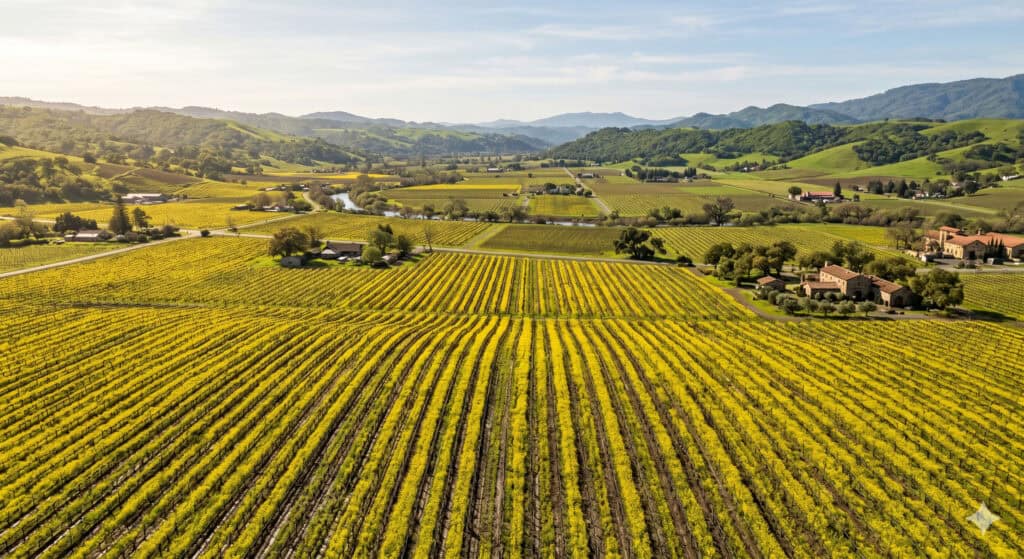
The visual highlight of winter is the mustard bloom, which most visitors have no idea exists. From late January through early March, bright yellow mustard flowers carpet the vineyard floors and roll across the hillsides between the rows of dormant vines. Against the blue Northern California sky, it looks like a painting. If you time your trip to catch the bloom at its peak — usually mid-February — every photo you take looks effortlessly good. It’s one of Napa’s most genuinely beautiful seasonal moments, and you’ll often be experiencing it alongside a much smaller crowd than fall brings.
The event calendar is lighter in winter but not empty. The Napa Truffle Festival runs January 16–19, 2026, and draws serious food lovers for foraging demos, Michelin-starred chef dinners, and truffle tastings. The Napa Lighted Art Festival, which runs January 17–February 15 in 2026, transforms downtown Napa into a free, walkable outdoor light installation experience. A number of wineries also run barrel tasting events through late winter — a genuinely cool way to taste wines that haven’t been bottled yet. And the Napa Valley Welcome Center stocks two-for-one tasting coupons that are most effective during the off-season. For a full breakdown of winter strategies, our guide to how to visit Napa on a budget covers the details.
One thing to check: smaller tasting rooms sometimes keep reduced winter hours, and a handful close entirely during the holiday week between Christmas and New Year’s. Always confirm hours directly with a winery before planning around it in December or January.
Spring (March–May): Mild Weather and Open Tasting Rooms
Spring in Napa is the most underrated window on the calendar. Daytime highs settle into the 60s and 70s, the vines are leafing out and turning that electric green that makes everything look like a postcard, and the crowds are still well below summer levels. You’re also ahead of the summer price surge on both hotels and tastings. It’s a genuinely comfortable time to move around the valley — outdoor patio seats are available without a fight, tasting rooms are manageable, and winery staff have more time for actual conversation.
For outdoor enthusiasts, spring is excellent. Trails like those at Skyline Wilderness Park are at their most lush after winter rains, and hiking or biking the valley feels easy and pleasant in mild spring temperatures. The wineries where you can bring a picnic are especially enjoyable in spring — mild air, green vines, no need to escape midday heat.
BottleRock Napa Valley — one of the biggest music and food festivals in the region — lands May 22–24 in 2026, drawing massive crowds to downtown Napa. If BottleRock is the reason you’re coming, great — just book accommodations as early as possible, because the hotel situation tightens significantly that weekend. If BottleRock sounds like exactly what you’re trying to avoid, plan for March or April instead and you’ll have a completely different experience.
Summer (June–August): Peak Season, Peak Energy
Summer is when Napa Valley is fully switched on. Warm, dry weather makes outdoor tastings ideal, the vines are growing fast and green, and the social energy runs high from June through August. Festival Napa Valley — a major performing arts event featuring classical music, opera, dance, and wine dinners — marks its 20th anniversary July 4–19, 2026, at iconic venues including Charles Krug and CIA at Copia. July 4th in Calistoga brings a parade and one of the bigger fireworks shows in the region. There’s no shortage of reasons to come in summer.
The catch: summer is packed. This is peak family vacation season, bachelorette party season, and general “everyone wants to go to wine country” season. Every winery requires a reservation, popular restaurants have waits even on weeknights, and the weekend energy in Yountville can feel more like a theme park than a wine village. Book tastings and dinners before you arrive — not the morning of. Check out our full list of cheap and free things to do in Napa Valley for ways to balance the paid experiences without blowing the whole budget on tasting fees.
One practical summer tip: go early. Tasting rooms that open at 10 a.m. are genuinely quiet for the first ninety minutes. If you arrive at opening, you often get the staff’s full attention, better lighting for photos, and the freedom to linger before the midday crowd arrives. By 1 p.m. on a Saturday in August, the dynamic changes completely.
When to Visit Napa Valley for the Best Deals
January through March is the cheapest window by a meaningful margin. Hotel rates drop, tasting fees are sometimes reduced or waived with a bottle purchase, and the two-for-one coupons available at the Napa Valley Welcome Center go further during the off-season. For couples especially, a winter trip can cost significantly less than the equivalent October trip — with the added benefit of smaller crowds and more personal experiences at the wineries.
The second-best value window is spring — particularly March and April before summer pricing kicks in. You get good weather, better tasting room access, and more flexibility on accommodations than you’d find in either peak season. If you’re building your first Napa trip and want to do it right without overspending, our three-day Napa itinerary maps out a solid framework you can adjust by season.
Fall and summer command the highest prices. If those seasons are non-negotiable for you, book accommodations and tasting reservations as early as possible — especially for harvest weekends in September and October, which can sell out two to three months in advance at popular wineries and hotels.
Tips for Planning Your Napa Trip by Season
A few things worth knowing before you finalize your dates, regardless of which season you’re targeting.
Go midweek if your schedule allows. Napa on a Tuesday is a genuinely different trip than Napa on a Saturday. Tasting room crowds are smaller, staff are less stretched, and you’ll find more room for spontaneous detours. This applies in every season but matters most in summer and fall.
Book tastings before you arrive. Napa has moved firmly into a reservation-first model across most wineries. Walk-ins are possible at some spots, but you can’t build an itinerary around them during busy periods. Two to three tasting appointments per day is a sustainable pace — more than that and you stop tasting and start rushing.
Figure out transportation before you land. Napa is a 30-mile valley, and getting between wineries while you’re tasting requires a real plan. Our guide to getting around Napa Valley covers every practical option, from limo services and the Wine Trolley to the Napa Valley Wine Train, with current pricing ranges for each.
Frequently Asked Questions About the Best Time to Visit Napa Valley
What is the best month to visit Napa Valley?
September and October are widely considered the peak months for the full Napa experience, thanks to harvest season events, grape stomps, and winery harvest dinners. For fewer crowds and lower prices, January through early March is the off-season sweet spot — especially if you want to catch the mustard bloom. Spring (March–May) is a strong middle ground: mild weather, manageable crowds, and good value before summer pricing takes hold.
Is Napa Valley crowded in summer?
Yes, meaningfully so. June through August brings the highest visitor volumes of the year, particularly on weekends. Tasting reservations and restaurant tables fill up well in advance. If summer is your window, book everything before you arrive and plan to visit popular wineries early in the morning, when tasting rooms are at their quietest.
When is the cheapest time to visit Napa Valley?
January and February are the cheapest months by a significant margin. Hotel rates drop, some tasting fees are reduced, and the overall demand on accommodations and reservations is lowest. The Napa Valley Welcome Center also offers two-for-one tasting coupons that work especially well during the off-season.
What is the mustard bloom in Napa Valley?
The mustard bloom refers to the bright yellow wild mustard flowers that grow between the dormant vines each winter, typically peaking from late January through early March. It’s one of the most visually spectacular seasonal events in the valley — rolling yellow fields between bare vines under a blue sky — and it’s largely unknown to first-time visitors. Timing a winter trip around the bloom is a genuine insider move.
Is Napa Valley worth visiting in winter?
For the right kind of traveler, absolutely. Winter offers lower prices, uncrowded tasting rooms, the mustard bloom, barrel tasting events, and a more personal experience at wineries that aren’t operating at full capacity. It’s not the season for outdoor event-hopping, but for wine-focused visitors who prioritize depth over buzz, it’s one of the best times to go.
Do Napa Valley wineries close in winter?
Most wineries stay open year-round, though many reduce their hours during the holiday period and through January. Smaller boutique tasting rooms are most likely to have limited or irregular winter hours. It’s always worth confirming directly with any winery you’re planning to visit before building a winter itinerary around them.
Napa is one of those destinations that rewards repeat visits — each season genuinely shows you a different version of the place. Pick the timing that fits your priorities, book ahead, and if at all possible, go midweek. The wine is great no matter when you show up.